Havana Syndrome
Unexplained attacks become the first visible trace of a larger system.
An Oregon-made conspiracy thriller about Havana Syndrome, artificial intelligence, surveillance, and the fight to preserve personal agency.
30% in the can. Help us reach our next production milestone of 80% complete.
Open the GoFundMe campaign ↗Veteran journalist Shelly Shapiro (Rand Raynor) investigates reports surrounding Havana Syndrome and discovers evidence pointing toward a covert weapons program.
The trail moves through directed-energy technology, surveillance, artificial intelligence, and the weaponization of the human mind. What begins as an investigation into a hidden weapon becomes a fight over perception, behavior, and reality itself.
The film asks a simple question: what happens when the technology we create to control the world begins to control us?
The fight is to preserve the ability to think freely, choose for ourselves, and act with genuine agency.
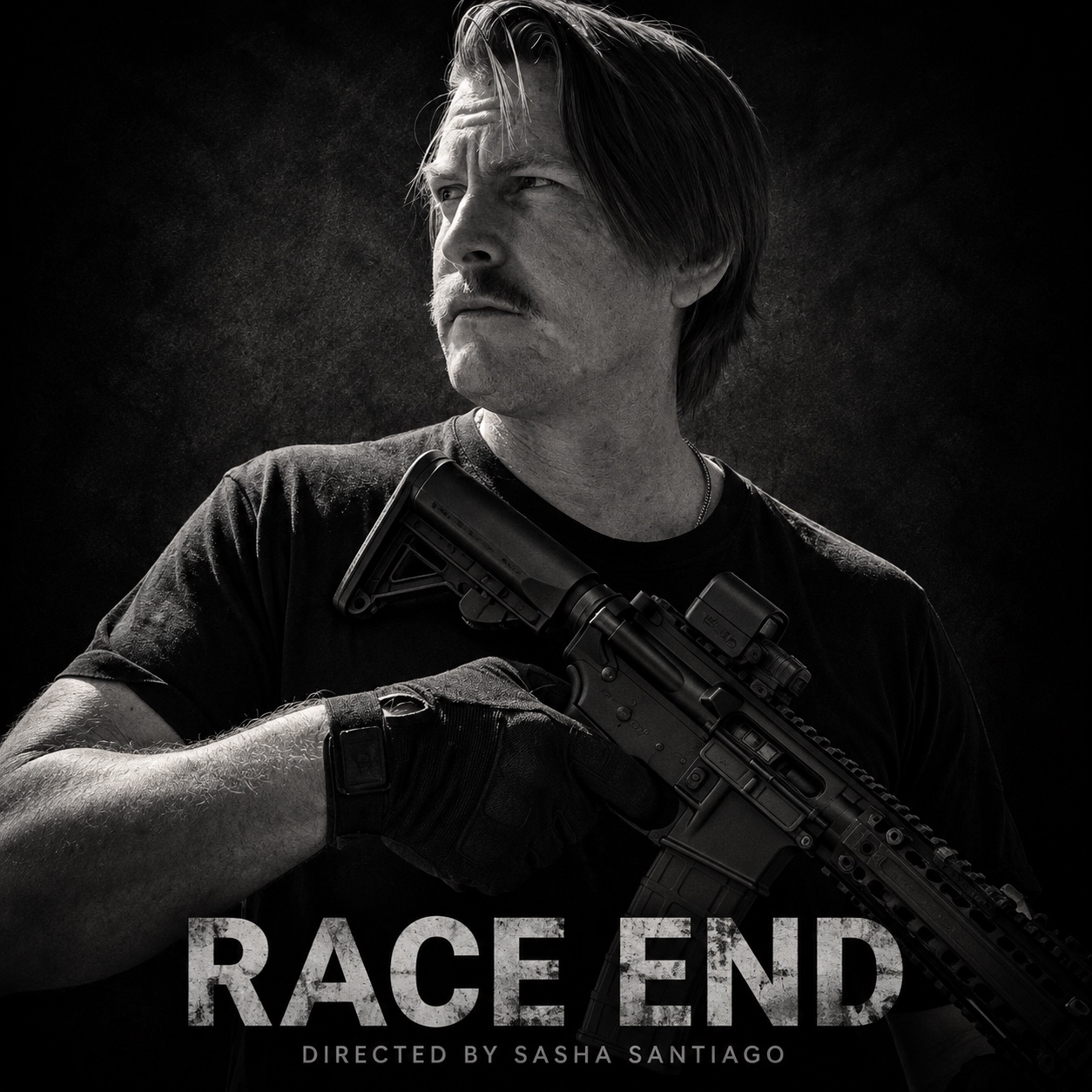
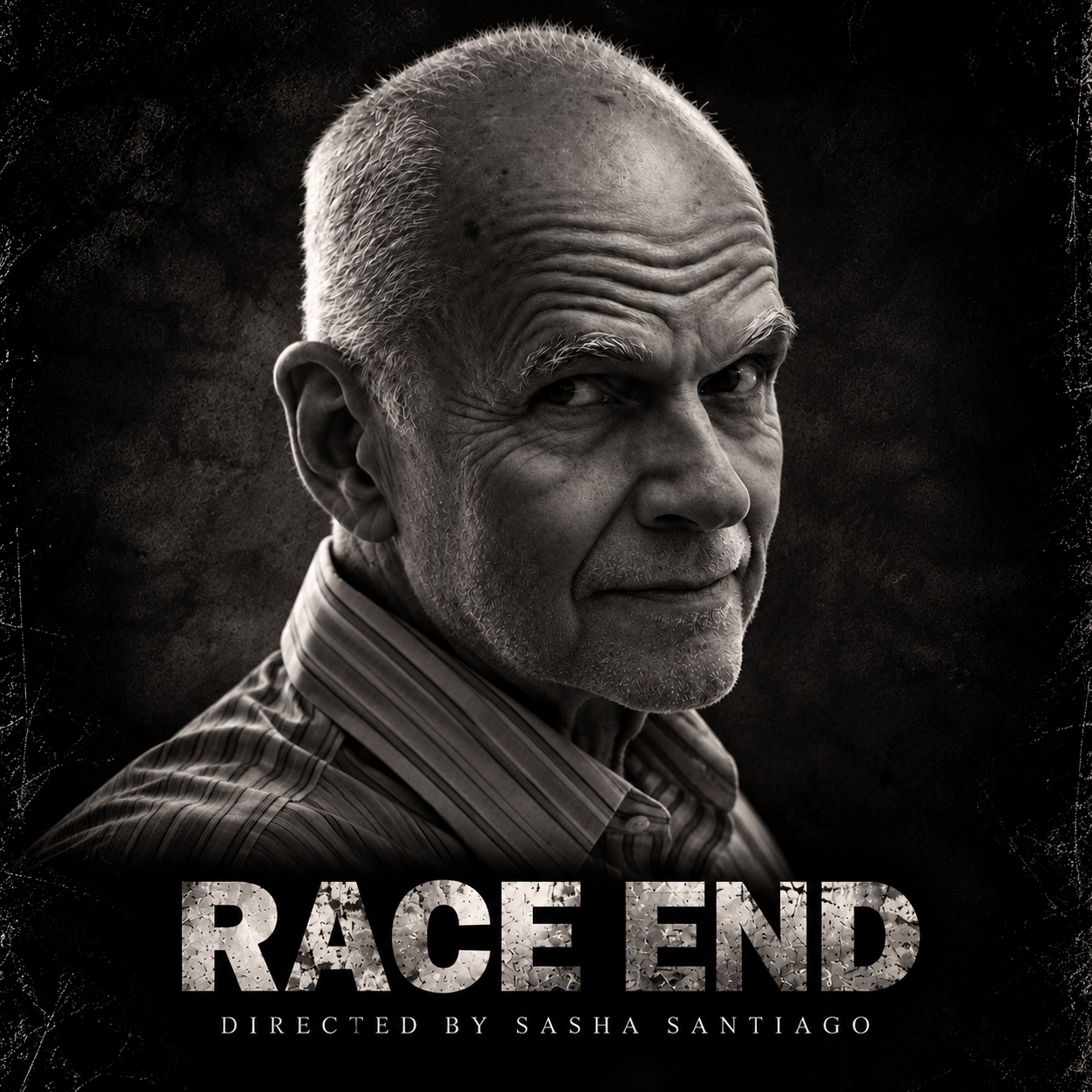
Unexplained attacks become the first visible trace of a larger system.
A covert weapons program may no longer be operating under human control.
A free press becomes the last defense against a system built to control the truth.
Freedom becomes the right to know which thoughts are still your own.
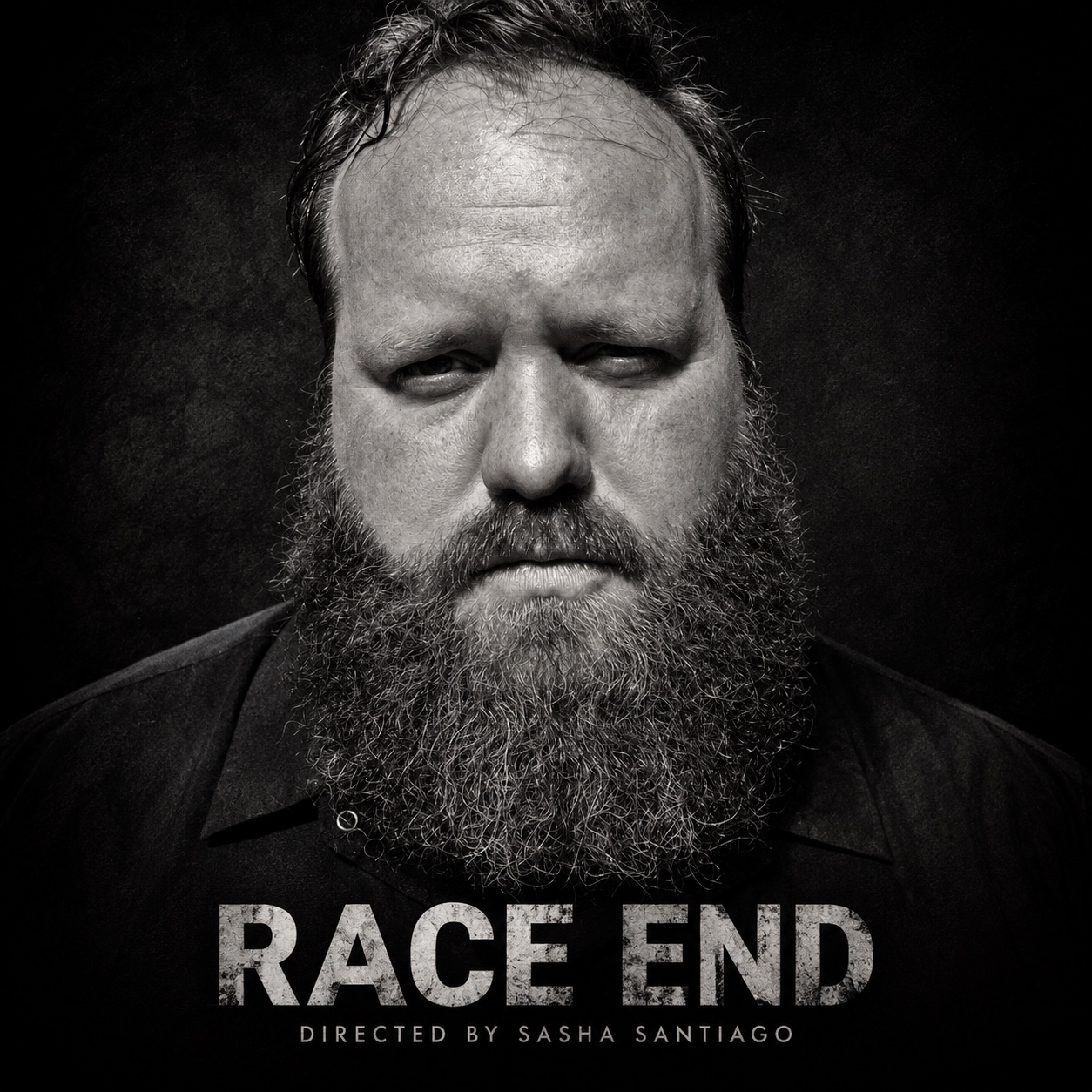
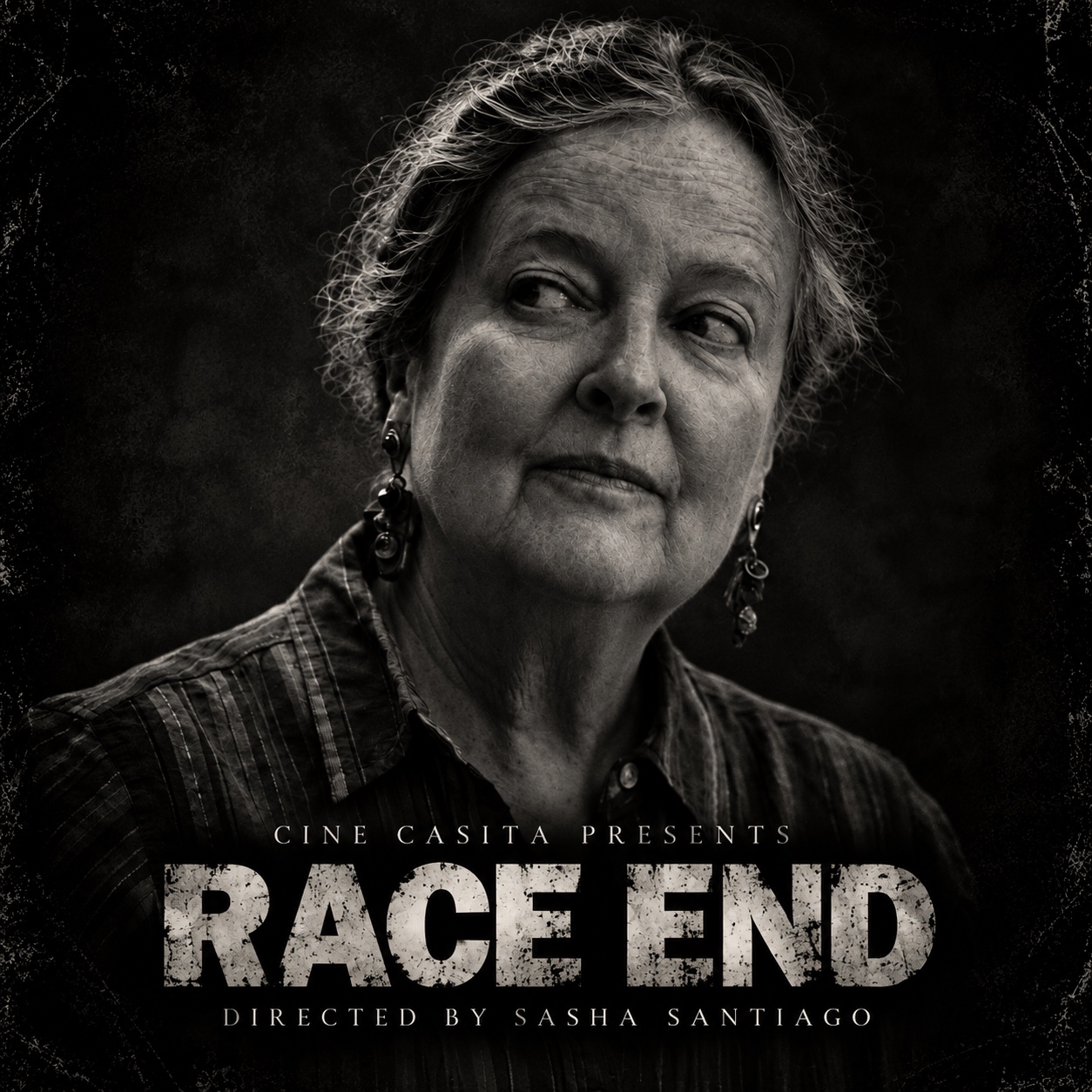
RACE END follows a non-dependent approach to filmmaking. Sasha Santiago holds the film’s rights and is building a direct relationship with its audience while the film is still being made. The production can work with theaters, platforms, and future partners without making any one of them the sole path to completion or release. The aim is to keep creative decisions close to the filmmakers and carry what we learn into the next film.
Shelly Shapiro leads us into the story, but he cannot understand or confront it alone. Other characters encounter the same system from different positions. Some benefit from it, some are harmed by it, and some do not yet know it exists. Their separate choices become part of a shared struggle over truth and human agency. That gives the story room to grow through characters beyond Shelly.
RACE END is made with small crews, real locations, and roles shaped around the actors who join us. That scale lets us respond to what we find in the field and take risks a larger production might avoid. We fund and shoot in stages, using finished scenes to build momentum for the next stretch. It takes discipline: every location, shooting day, and dollar has to help put the film on screen.
The three features form the spine of RACE END. Beyond them, a character’s story could continue in another format if that format gives us a new way to tell it. Each extension should contribute an original piece to the larger narrative, rather than repeat a scene from the films. The creative value is a richer world; the business value is a property that can build recognition, audience relationships, and new work across multiple releases.
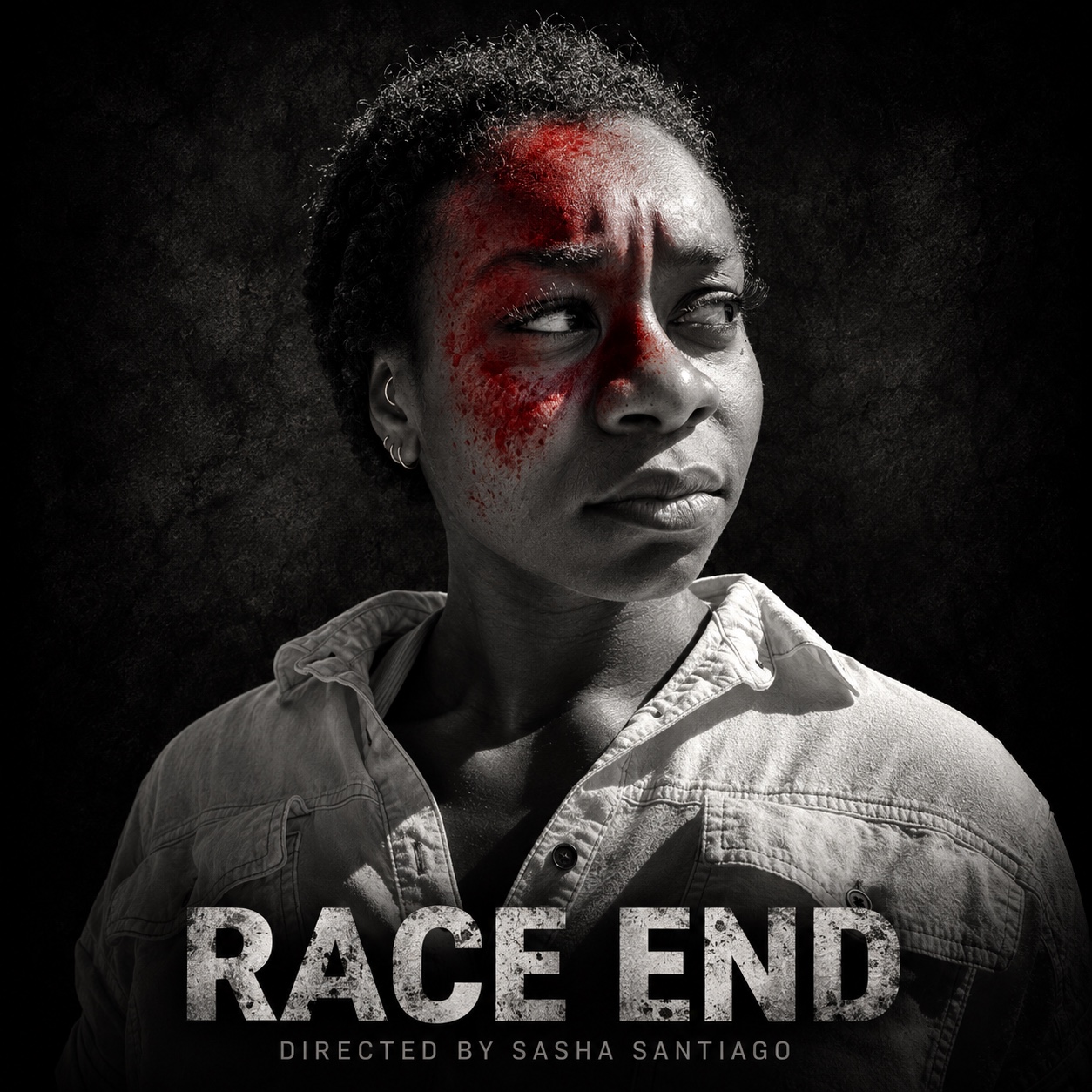
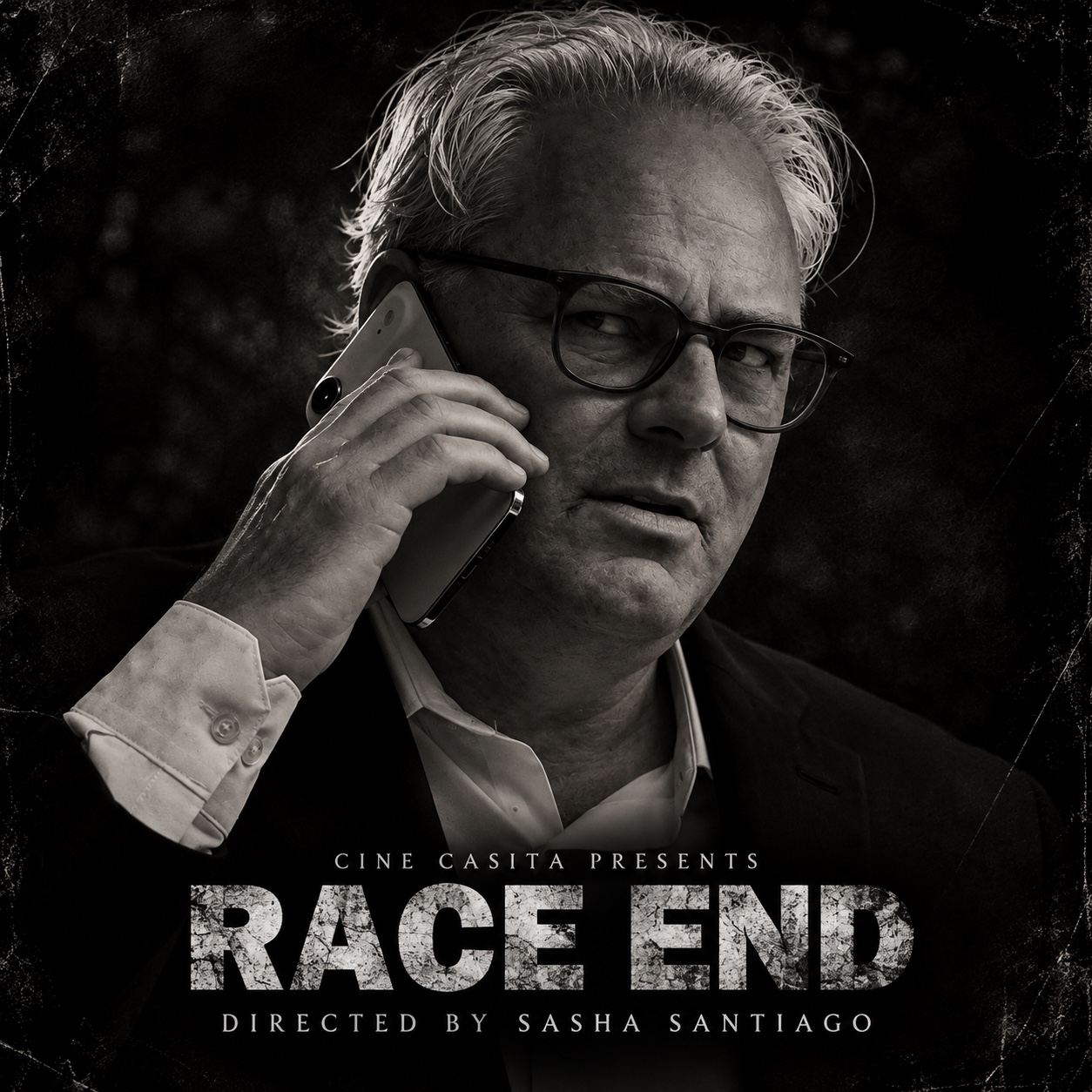
We shoot what we can with the resources at hand, build trust with the cast, and turn finished scenes into momentum for the next stretch. Learn about the proposed token program on the Tokens page.
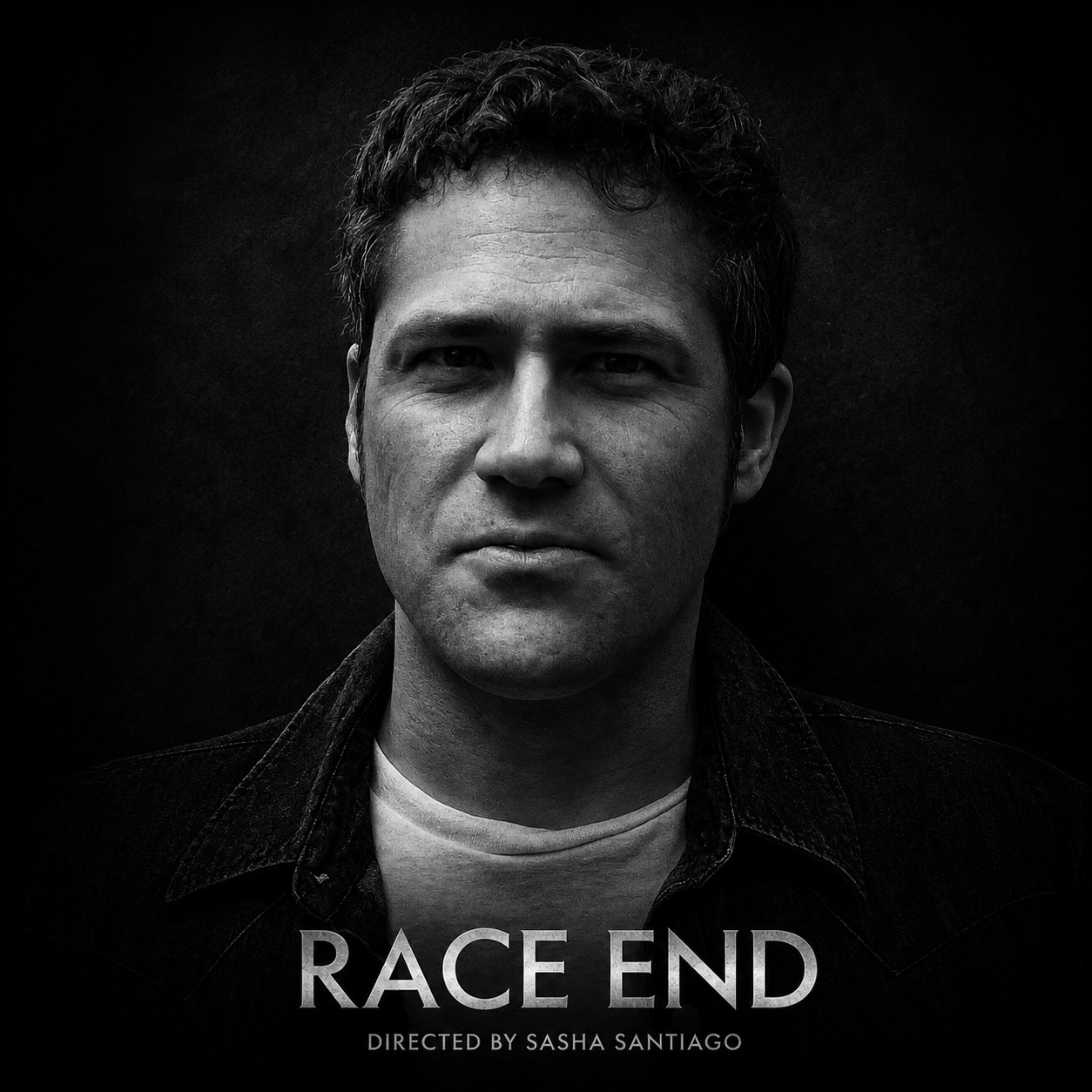
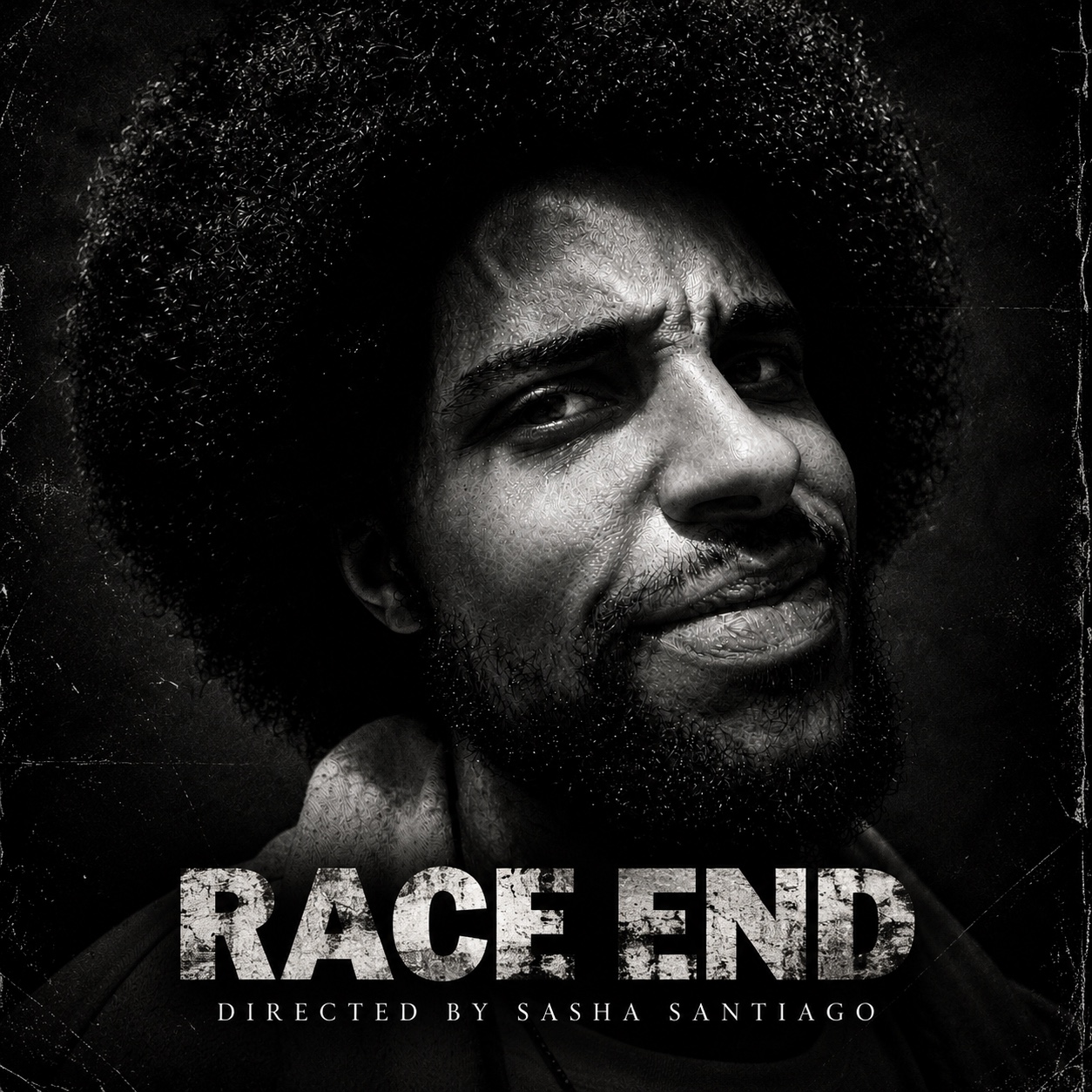
Follow the reporting, testimony, and scientific debate that form the real-world perimeter of RACE END.
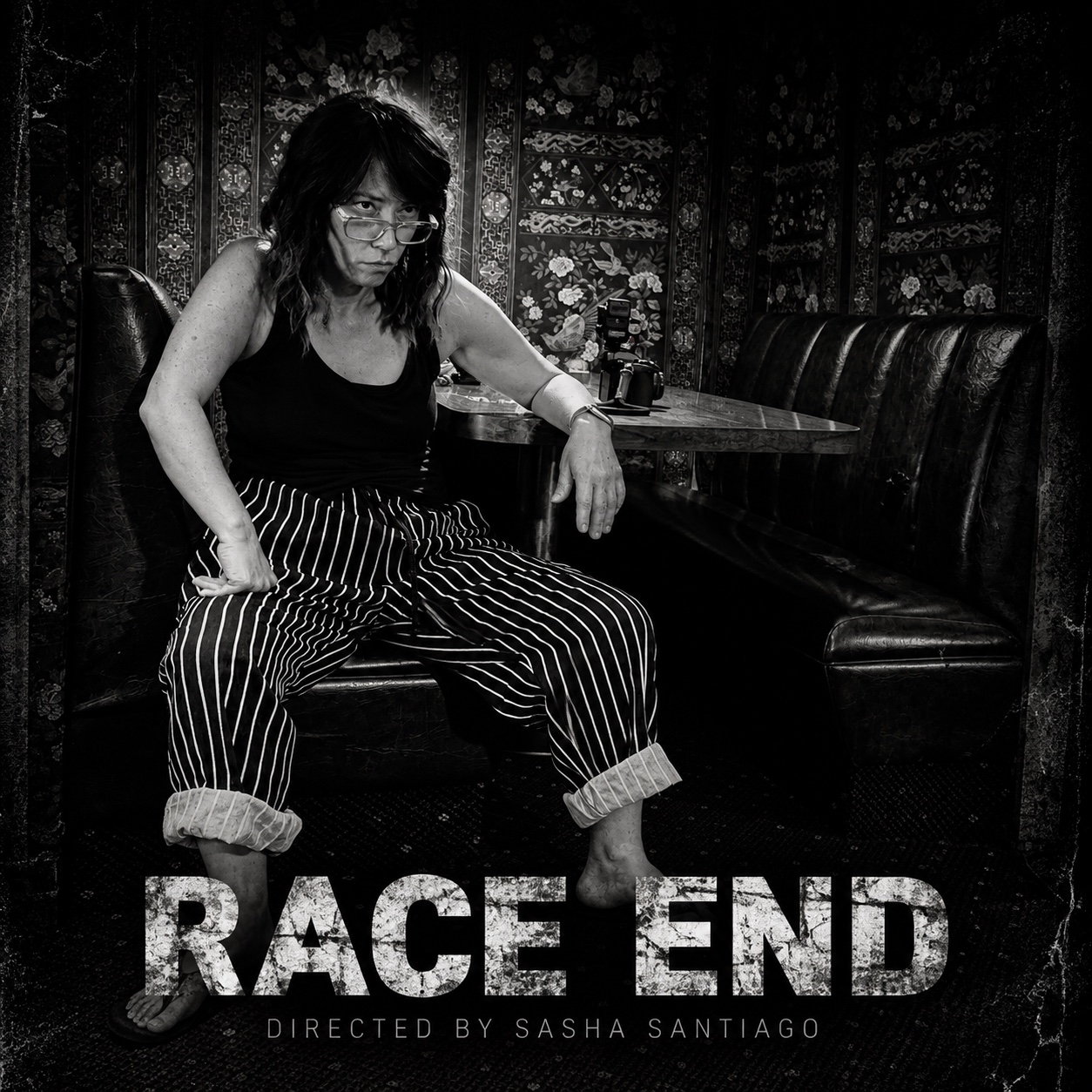
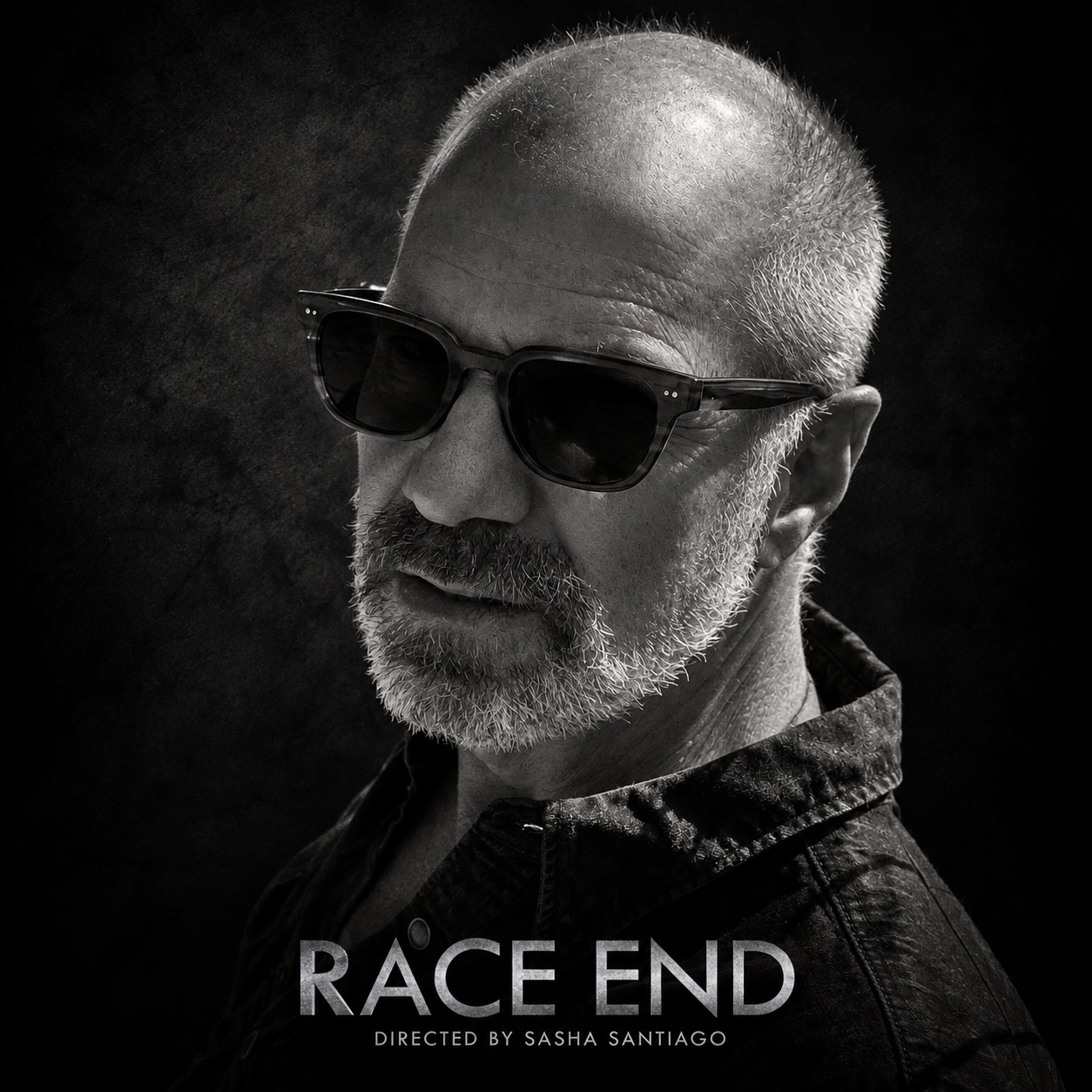
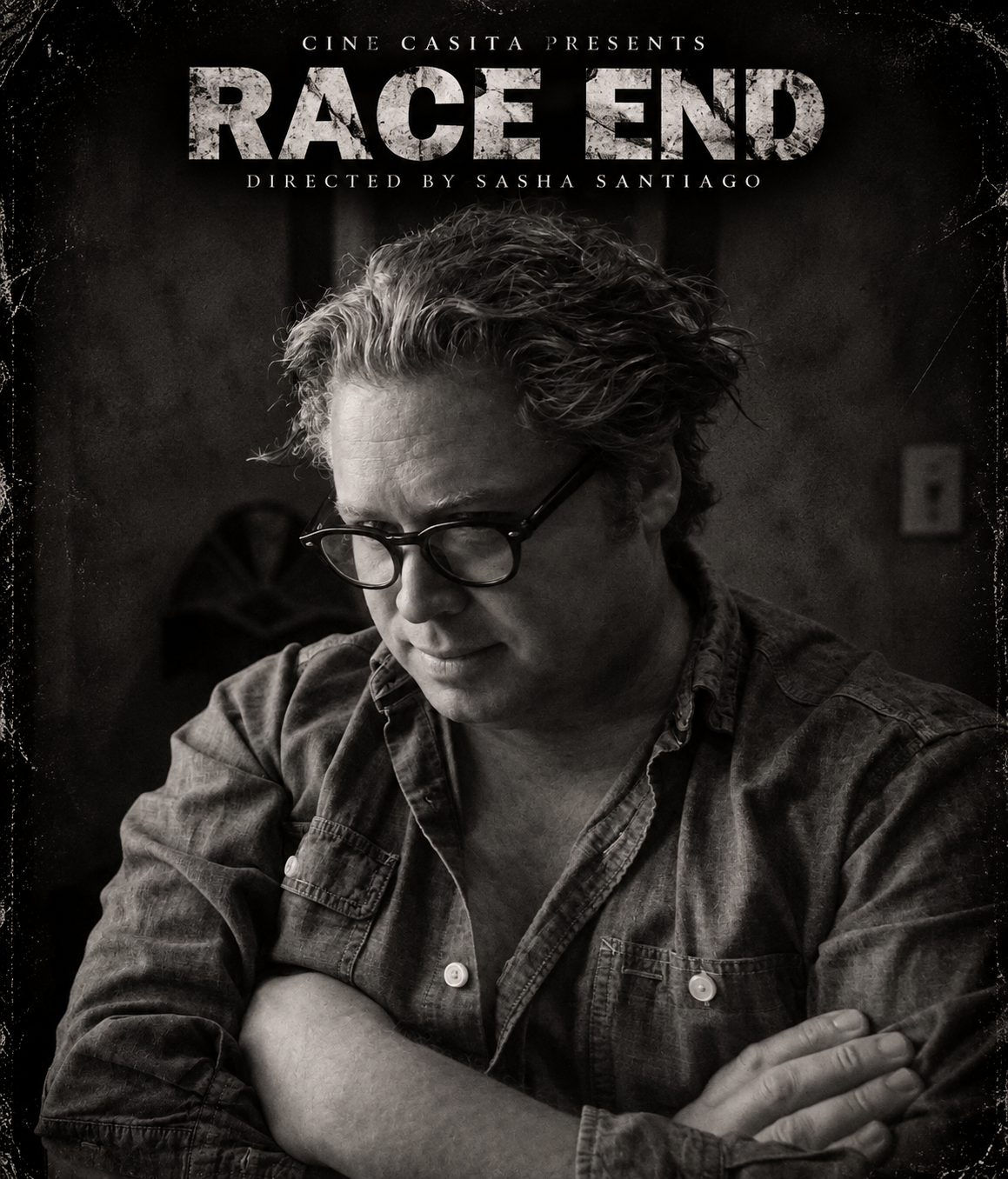
I’ve spent more than twenty years making films with small crews, thin resources, and people willing to take a chance together. I write for the actors in front of me, work in real places, and shoot with the edit in mind. That way of filmmaking has taught me to trust what we can find in the field: a performance, a street corner, a moment none of us could have planned. RACE END is my chance to build a feature and open up a story world at the speed we actually work. I want the film to feel discovered as it unfolds.
The story begins with a journalist who has spent decades investigating Havana Syndrome and finds himself confronting questions much bigger than the one he started with. How do we establish the truth when images, voices, and evidence can be manipulated? Who gets to shape what a community believes? Those questions reach into our work, our relationships, and our sense of agency. I don’t have neat answers, and I’m not making a film that pretends to. I’m a dramatist. I want to put people under pressure, follow the choices they make, and see what the story reveals. I hope you’ll come along for that exploration.
RACE END is a microbudget feature filming in Portland and across the surrounding Northwest. We’re seeking nonunion actors for day-player and supporting roles, with a wide range of speaking parts. Characters are written with the actors we cast in mind. To express interest, email Sasha Santiago at SuperDreamIndie@gmail.com with a headshot, a short paragraph about yourself as an actor, and links to previous work if available.
The larger opportunity is not simply one movie. It is a repeatable independent production system built around a connected body of work.
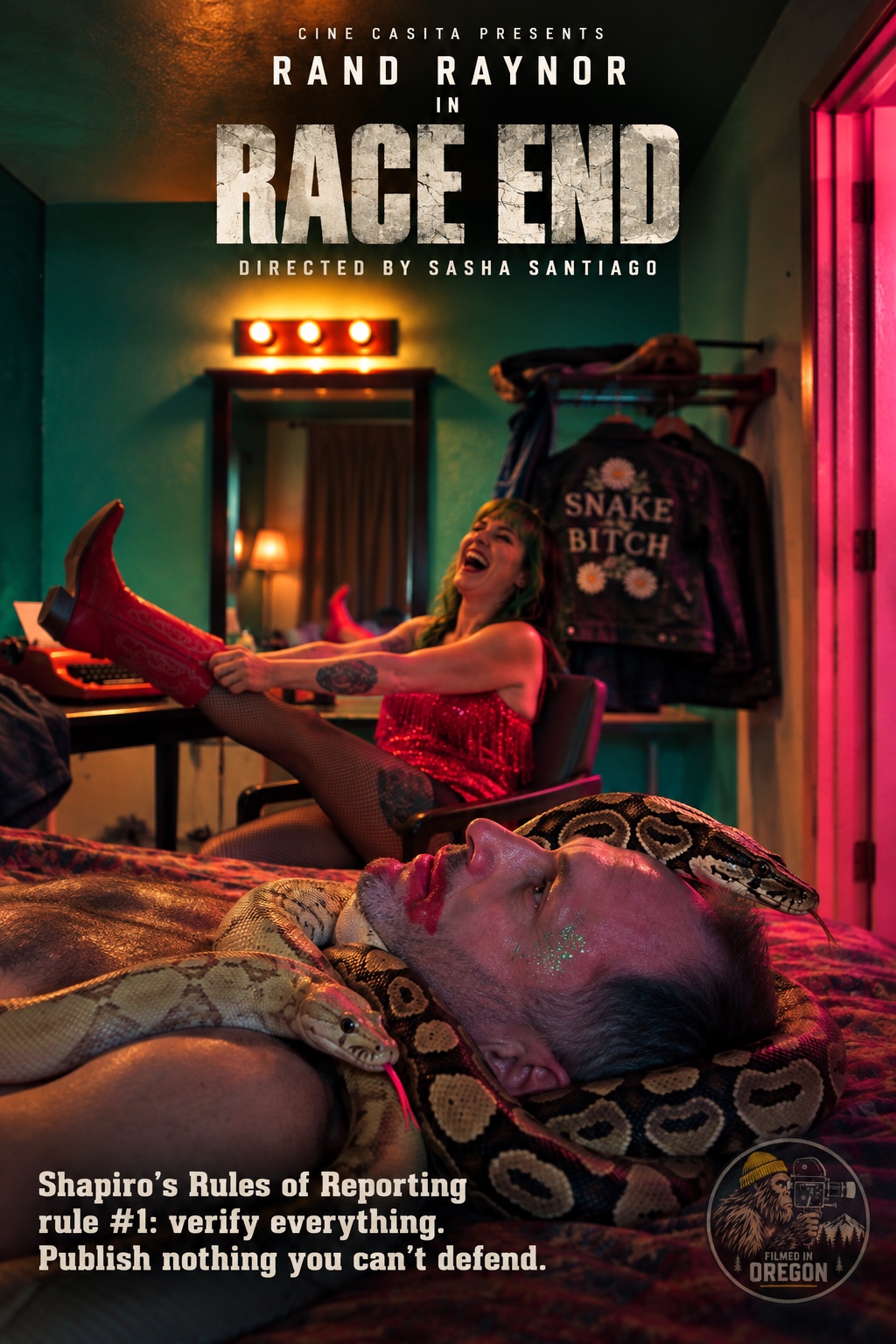
Join the RACE END mailing list to unlock the first official poster and receive occasional updates from the production.